

Earwig Control Service
Earwig Control Guaranteed !!
“You WILL Get The Best, Most Thorough, Professional Service You Have Ever Seen… We GUARANTEE It… Or It’s FREE!”
Earwigs in Your House or Garden? We Stop Them Outside, Where They Come From.
5 REASONS TO CHOOSE MAJOR PEST CONTROL
- We’re committed to CUSTOMER SATISFACTION, with over thousands of Google 5 Star ratings for pest control.
- We offer a complete 58 POINT Pest Control Survey & Analysis of your home or building.
- ASSOCIATE CERTIFIED ENTOMOLOGIST and a public health specialist on staff.
- A team of EXPERIENCED PEST TECHNICIANS to carry out all pest control services.
- Our GUARANTEE is UNMATCHED by any competitors! (If you’re not happy, you don’t pay!)
CALL BY 2 P.M. FOR SAME-DAY OR NEXT-DAY AVAILABILITY!
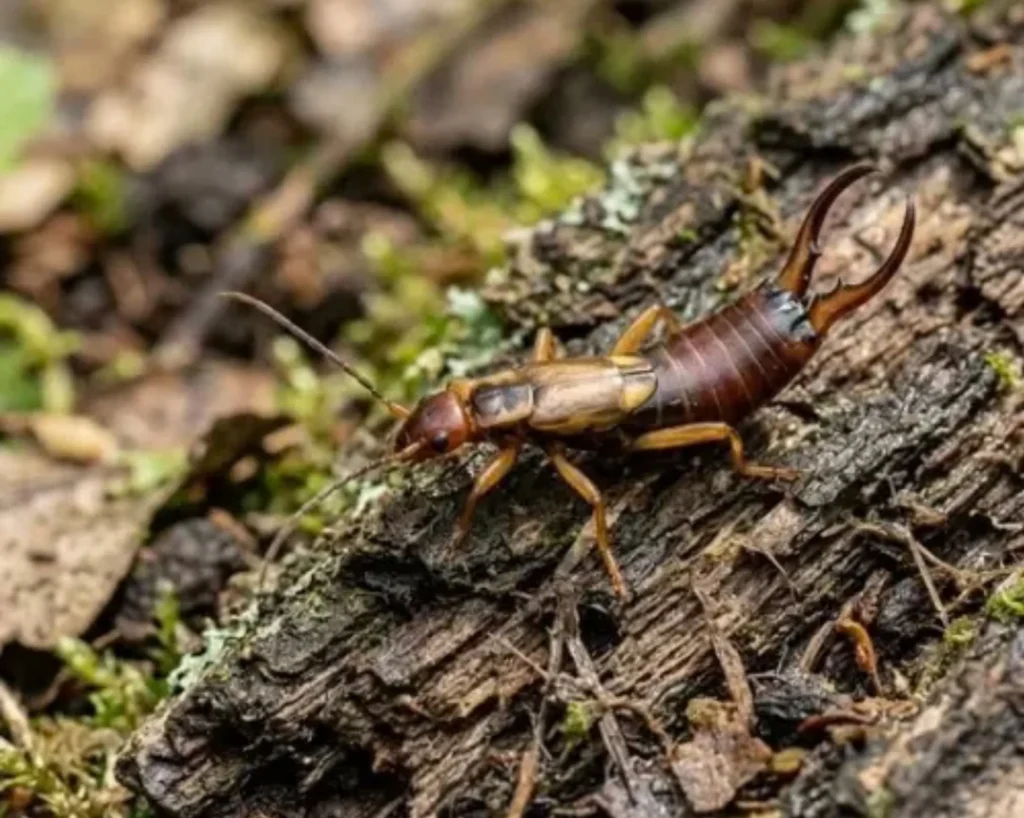
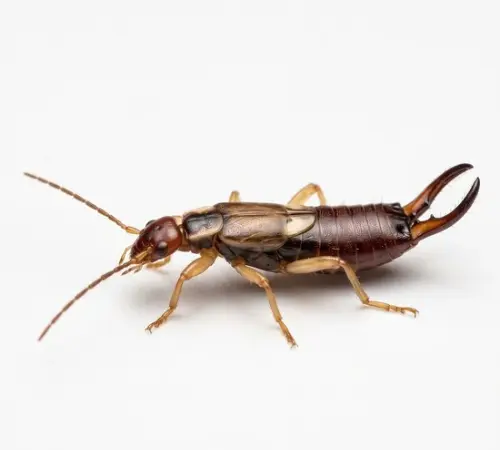
How Do You Know It Is a Earwig (Identification)
Colour
Reddish-brown to dark brown.
Size
About 12 to 15 mm long.
Description
About 12 to 15 mm long.
Notes
The pincers look scary, but earwigs rarely pinch. Send us a photo if you're unsure.
Quick Links
Earwig Myths vs Facts
Earwigs have a worse reputation than they deserve. Here’s what’s true:
Myth | Fact |
Earwigs crawl into your ears and lay eggs | No. They like tight, dark spaces, but they aren’t interested in people. |
Their pincers are dangerous | They can pinch if you grab one, but it rarely breaks the skin. |
They carry disease | They don’t spread disease to people or pets. |
A home with earwigs is dirty | No. They come in from damp soil and mulch, and clean homes get them too. |
They breed inside your house | Not really. They nest in soil outside, so the ones indoors are almost always visitors. |
Signs You Have Earwigs
- Earwigs on basement floors, in bathrooms, in laundry rooms or near sinks in the morning.
- A cluster near door thresholds, garage doors or window wells.
- Ragged holes in the leaves and petals of garden plants, and chewed seedlings.
- Earwigs tucked under flower pots, hoses, garden tools or firewood when you move them.
- Earwigs gathering around porch lights and patio doors at night.
- A faint, unpleasant smell when one is crushed.
Where Do Earwigs Live and Hide?
They stay out of sight all day and come out at night to feed. They want dark, damp, tight spaces.
- Mulch, leaf litter and thick groundcover next to the foundation
- Under flower pots, planters, stepping stones, boards and garden debris
- Woodpiles and firewood stacked against the house
- Window wells and the gaps around basement windows
- Under decks, steps, and behind siding and trim
- Garbage and compost areas
- Gutters, downspout bases and wet corners of the yard
- Basement baseboards, laundry rooms, bathrooms and damp corners
- Behind fridges, washers and under sinks
- Under loose basement carpet and underlay
Earwig Season in Alberta
Earwigs follow a yearly cycle, which is why numbers seem to jump in late summer.
- Fall: Adults mate, then dig into the soil to ride out winter.
- Late winter to spring: The female lays a few dozen eggs in an underground chamber. Unlike most insects, she stays and guards them.
- Early summer: The nymphs hatch. They look like small, pale versions of the adults and grow by shedding their skin.
- Midsummer to early fall: Adults mature and numbers peak, usually from July through September. This is when most people find them in the house.
Why Do I Have Earwigs?
Earwigs come for moisture, shelter and food, and the weather often pushes them toward your house.
- Hot, dry spells. When the yard dries out, earwigs move to damp spots, including your basement and the gaps around it.
- Wet weather. Heavy rain floods their burrows and drives them to higher, drier cover.
- Mulch and plants against the foundation. Beds right up to the house give them shelter a few centimetres from your walls.
- Poor drainage. Downspouts that empty beside the foundation, leaky hoses and over-watered beds keep the soil wet.
- Lights at night. Earwigs are drawn to porch and patio lights, and they’re often found near them.
- Gaps and weak seals. Worn weatherstripping, gaps under doors, cracks around windows and window wells.
- Clutter outside. Firewood, pots, boards and yard debris are ready-made hiding places.
Are Earwigs Harmful?
Mostly no. They’re a nuisance, but not a danger.
Health: Earwigs don’t spread disease and don’t bite. They can pinch if squeezed, and it’s usually harmless. A crushed earwig can leave an unpleasant smell.
Garden damage: This is where they cause trouble. They chew holes in leaves and flower petals and munch on seedlings, lettuce, strawberries and soft fruit. They also eat aphids, so they’re not all bad, but a big population does real damage.
Inside your home: They don’t damage wood or structure, but dozens of them in the basement or on the kitchen floor are unpleasant.
How fast it escalates: Numbers build all summer. Treating early, before the August and September peak, is much easier than chasing them in the fall.
How We Get Rid of Earwigs
Most of the work happens outside, because that’s where earwigs live.
- Inspect the property. We walk the yard and foundation first, then check the basement, laundry room and bathrooms. We find where they’re hiding and how they’re getting in.
- Treat the perimeter. We apply a professional product around the foundation, door thresholds, window wells and garage door, where earwigs enter.
- Treat the hiding spots. We treat mulch edges, woodpiles, planters and other spots where they gather.
- Spot-treat inside where needed. If you’re seeing them indoors, we treat baseboards, behind appliances and other areas they use.
- Fix the cause. We’ll point out the drainage, mulch, lighting and sealing issues drawing them in.
- Report and guarantee. You’ll know what we found, what we treated and what to do next. If earwigs keep coming back during your warranty period, we return and re-treat at no extra cost.
Garden, pets or kids? Tell us when you book. We’ll explain where we apply products and what to do on the day.
Seeing ants or spiders too? Mention them. We can treat everything in the same visit.
How to Keep Earwigs Out
Here’s a checklist you can do yourself:
- Pull mulch, leaves and plant debris back about 15 cm (6 inches) from the foundation.
- Direct downspouts at least a couple of metres away from the house.
- Fix leaky hoses and taps, and water the garden in the morning so soil dries by night.
- Stack firewood off the ground and away from the house.
- Move pots, boards and garden debris away from the walls.
- Replace worn weatherstripping and door sweeps.
- Seal gaps around windows, pipes and basement window wells.
- Switch porch lights to yellow bulbs or use motion sensors.
- Run a dehumidifier in damp basements.
- Take garbage out regularly and keep compost bins sealed and away from the house.
Can You Get Rid of Earwigs Yourself?
Partly. Cutting back moisture and clutter often reduces numbers, and a damp rolled-up newspaper left overnight is a simple trap that shows you how many there are.
DIY usually can’t stop the stream from the yard, and that’s why so many people tell us earwigs “came back.”
Call a professional if:
- You find earwigs inside every few days, even after cleaning up outside
- They gather at doors and window wells in large numbers
- They’re getting into the basement or damaging your garden
- You’ve tried DIY, and they’re still coming
- You’re seeing other pests as well, like spiders, ants or sowbugs
- You manage a rental, condo or multi-unit building
How Much Does Earwig Control Cost?
The price depends on your property size, how many areas need treatment, how much mulch and landscaping is near the house, whether you need indoor treatment, and whether follow-up visits are needed.
The quickest way to get a real number is a free quote. Get a Free Quote
Our Service Areas for Earwig Control
The price depends on your property size, how many areas need treatment, how much mulch and landscaping is near the house, whether you need indoor treatment, and whether follow-up visits are needed.
The quickest way to get a real number is a free quote. Get a Free Quote
Related Pest Services
FAQs About Major Pest Control Services
Start outside. Clear mulch and debris from the foundation, fix drainage and seal gaps around doors and windows. Indoors, dry out damp areas with a dehumidifier and vacuum up the ones you see. If they keep coming back, a professional perimeter treatment stops them at the source.
Moisture, shelter and light. Damp mulch, leaky hoses, poor drainage, woodpiles, pots against the walls and porch lights all draw them in. Hot, dry weather can push them toward damp basements, and heavy rain can drive them out of their burrows and into your home.
No, that’s an old myth. Earwigs like tight, dark spaces, but they have no reason to go into your ears and won’t lay eggs there. The name comes from folklore, not fact. If you feel something in your ear, see a doctor.
They don’t bite. They can pinch with their tail pincers if you squeeze one, but it rarely breaks the skin and isn’t dangerous. Earwigs also don’t carry diseases. A crushed one can leave an unpleasant smell.
Rarely. Females lay eggs in soil, usually outside, and guard them until they hatch. Earwigs indoors are almost always visitors from the yard looking for moisture, so treating outside and drying out damp areas matters most.


Need To Talk To a Real Human?
Our Phone Numbers:
