

Silverfish Control Service
Silverfish Control Guaranteed!!
“You WILL Get The Best, Most Thorough, Professional Service You Have Ever Seen… We GUARANTEE It… Or It’s FREE!”
Silverfish in Your Bathroom, Basement or Closets? We Treat Them, Not Just Where You See.
5 REASONS TO CHOOSE MAJOR PEST CONTROL
- We’re committed to CUSTOMER SATISFACTION, with over thousands of Google 5 Star ratings for pest control.
- We offer a complete 58 POINT Pest Control Survey & Analysis of your home or building.
- ASSOCIATE CERTIFIED ENTOMOLOGIST and a public health specialist on staff.
- A team of EXPERIENCED PEST TECHNICIANS to carry out all pest control services.
- Our GUARANTEE is UNMATCHED by any competitors! (If you’re not happy, you don’t pay!)
CALL BY 2 P.M. FOR SAME-DAY OR NEXT-DAY AVAILABILITY!
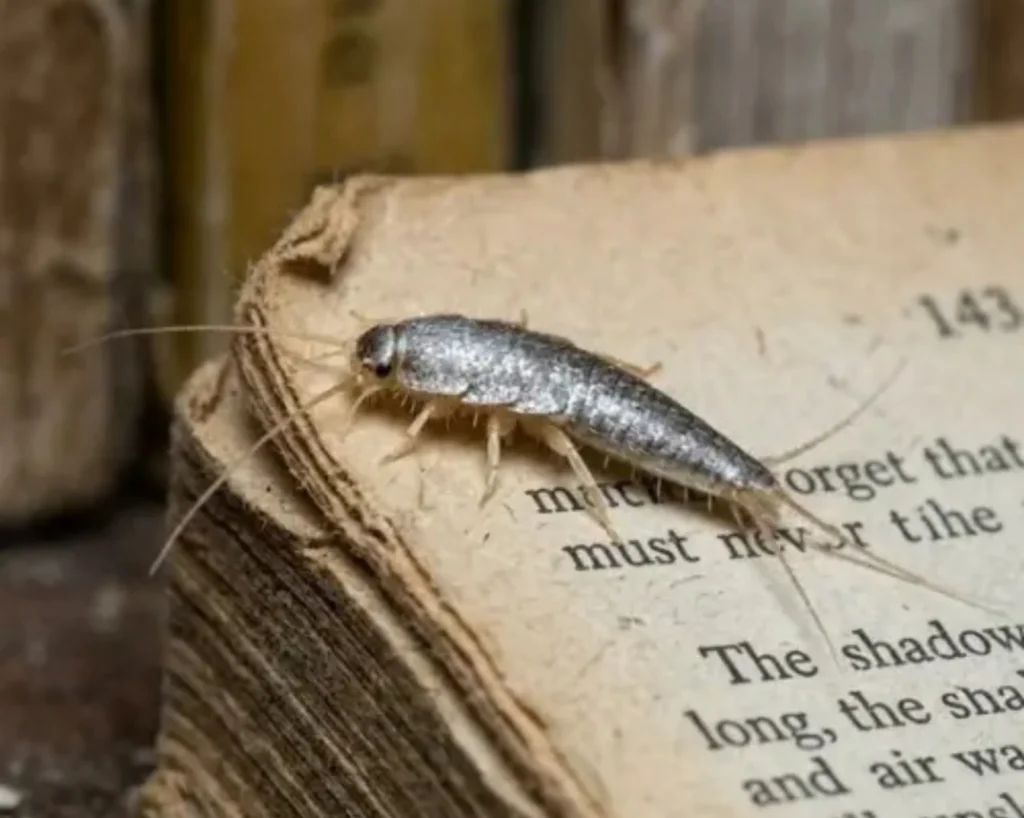
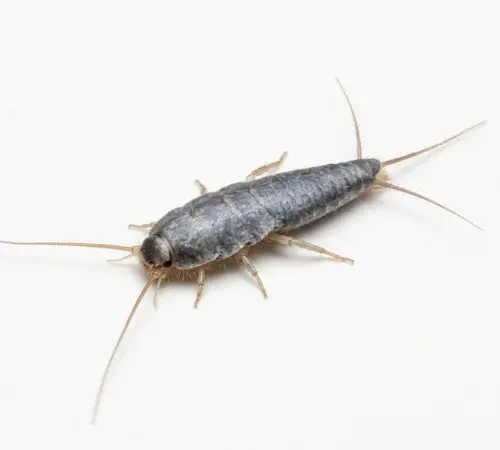
How Do You Know It Is a Silverfish (Identification)
Colour
Silvery-grey, sometimes with a brownish tint.
Size
About 12 to 19 mm long.
Description
Teardrop-shaped body, two long antennae and three tail bristles. They wiggle fast, like a fish.
Notes
No wings and no bite. Not sure what you've got? Send us a photo.
Quick Links
Not Sure It's a Silverfish?
A few bugs get mistaken for silverfish, and the right treatment depends on getting this right.
- Firebrats look almost the same, but they’re mottled grey-brown and prefer hot spots like furnace rooms and around hot water tanks.
- Carpet beetle larvae are small, hairy and brown. They chew wool and fabric, and they’re one of the usual “tiny worm” mix-ups.
- Springtails are tiny and jump. They show up on damp tile and windowsills.
- House centipedes are much longer, with many legs. They hunt other bugs, so seeing one can mean there’s something else living in the house.
Signs You Have Silverfish
Silverfish come out at night and run for cover when the light comes on, so the clues often tell you more than the bug does.
- Silverfish in sinks, tubs or on tile that can’t climb out, often at night.
- Small yellowish stains on paper, books, photos or wallpaper.
- Irregular notches or ragged holes along the edges of paper and cardboard.
- Tiny black pepper-like droppings in drawers, on shelves or in boxes.
- Thin, pale shed skins left behind in corners and along baseboards.
- Silverfish slipping behind baseboards or into cracks when you move something.
Where Do Silverfish Hide?
They want dark, tight, damp-ish spaces close to something starchy to eat.
- Behind and under bathroom sinks, toilets and tubs
- Baseboards, trim and the gaps where walls meet floors
- Wall voids around plumbing
- Basements, crawl spaces and utility rooms
- Laundry rooms, especially behind the washer
- Cardboard storage boxes, stacks of paper and bookshelves
- Closets with cotton, linen or silk
- Kitchen cupboards, pantry corners and behind the fridge
- Attics and under insulation, in homes with leaks
- Furnace rooms and around hot water tanks, where firebrands settle
Why Do I Have Silverfish in a Dry Climate?
Alberta is dry, so silverfish are less common here than on the coast. When we do see them, it’s almost always because a small area of your home isn’t dry at all.
- Moisture pockets. Bathrooms without a good fan, slow plumbing leaks, damp basements, and sweating pipes.
- Dirt crawl spaces. Moisture rises from the ground, and silverfish travel up into the house.
- New builds and renovations. Wood, drywall and concrete release moisture for a long time and fresh construction is full of paper and glue.
- Sub-grade suites and condos. Cool, humid basements, shared walls and plumbing give them room to travel from unit to unit.
- Stored paper and cardboard. Boxes of old books, photos and papers in a basement or garage are a free buffet.
- Moved in with you. Silverfish hitch rides in boxes, books and used furniture.
- A humidifier running hot. In winter, a humidifier set too high can make walls and window frames damp.
How Worried Should I Be?
It’s a fair question, and the honest answer depends on how long the mice have been there. Caught early, this is a manageable, straightforward fix. Left alone, it rarely stays small for long.
Health risk — Mice spread bacteria through their droppings and urine, which can contaminate food surfaces and trigger allergic reactions, especially in kids or anyone with respiratory sensitivities.
Property damage — Mice gnaw constantly, and that includes wiring, insulation, and drywall. Chewed wiring in particular is a genuine fire risk, not just a cosmetic issue.
Speed of growth — Given their breeding cycle, a couple of mice can realistically become dozens within a matter of weeks.
What Do Silverfish Damage (and What Don't They)?
The good news first. Silverfish don’t bite, don’t sting and don’t spread disease. They’re a nuisance, and they can ruin things you care about.
What they eat: Starch and sugar. That means paper, book bindings, wallpaper paste, glue, cardboard and photographs. They’ll also chew cotton, linen and silk, and nibble dry foods like flour, oats and cereal.
What that looks like: Yellow stains, surface scrapes and ragged edges on paper and fabric. Irreplaceable items, like family photos, documents and old books, are the usual losses.
The bigger clue: Silverfish need humidity. If you have them, a moisture source is likely nearby, and fixing it protects your home and your belongings.
Why Silverfish Take Time to Clear
Silverfish aren’t like ants or flies. They’re old-school survivors, and that changes how we treat them.
- Eggs. Females lay small batches of eggs in cracks and crevices. They hatch in a few weeks, depending on temperature.
- Nymphs. Young silverfish look like tiny adults and keep growing by shedding their skin.
- Adults. They keep shedding as adults, which is unusual for insects, and they can live for several years.
- Hungry or not. They can go for months without feeding, so cutting off food alone doesn’t clear them.
How We Get Rid of Silverfish
- Inspect and identify. We confirm it’s silverfish, not firebrats or carpet beetles and look for what’s attracting them: leaks, damp areas, stored paper and entry gaps.
- Map the hiding spots. We check the baseboards, under sinks, around plumbing, crawl spaces, and anywhere you’ve spotted droppings or damage.
- Treat the cracks and voids. We apply professional products into the gaps, along baseboards and in wall voids where silverfish and eggs sit, rather than spraying open floors.
- Fix the cause. You’ll get clear next steps on humidity, ventilation and storage, with the exact spots that need attention.
- Monitor. We place monitors to confirm activity is dropping and to catch stragglers.
- Report and guarantee. You’ll know what we found, what we treated and what to do next. If silverfish keep showing up during your warranty period, we come back and re-treat at no extra cost.
Have a cat or dog? Mention it when you book. We’ll plan around your pets and tell you exactly what to do on the day.
Landlord, property manager or condo board? Tell us when you book. In multi-unit buildings, silverfish can travel along shared walls and plumbing, so we’ll advise whether neighbouring units need a look.
How to Keep Silverfish Away
Here’s a checklist you can do yourself:
- Keep indoor humidity around 40 to 50%, and use a dehumidifier in damp basements.
- Run the bathroom fan during showers and for about 20 minutes after.
- Fix leaky pipes, taps and slow drains right away.
- Swap cardboard storage boxes for sealed plastic bins.
- Keep paper, photos and books off the floor and away from exterior walls.
- Caulk gaps along baseboards, tubs and around pipes.
- Keep flour, oats, cereal and pet food in airtight containers.
- Vacuum corners and baseboards regularly and clear clutter in basements.
- Check your crawl space vapour barrier for gaps or damp spots.
- Don’t let a winter humidifier run too high.
Our Service Areas for Silverfish Control
Silverfish thrive in damp, dark spots and chew through paper, books, and fabrics. Wherever they’re hiding, our local team can find them and clear them out.
Silverfish Control in Edmonton
Spotting silvery bugs in your Edmonton bathroom, basement, or closets? We’ll treat their hiding spots and the damp areas that attract them.
Silverfish Control in Calgary
Damaged books, wallpaper, or boxes in your Calgary basement or storage area may mean silverfish. We’ll locate the source and treat it so they don’t return.
Silverfish Control in Red Deer
Silverfish darting around your Red Deer kitchen, laundry room, or attic? We’ll treat the problem areas to stop them from spreading.
Related Pest Services
FAQs About Major Pest Control Services
Dry out the area first with a dehumidifier, a bathroom fan and leak repairs. Then treat the cracks, baseboards and voids where they hide. Store paper in sealed plastic bins. If you’re still seeing them after a few weeks, a professional treatment reaches the eggs and wall voids DIY can’t
Moisture, starchy food and hiding spots. Leaky plumbing, damp basements, crawl spaces, new construction and cardboard storage are the usual causes. Silverfish also arrive in boxes and used furniture, so a clean home can still get them.
No. Silverfish don’t bite, sting or spread disease. The harm is to belongings: they stain and chew paper, photos, books, wallpaper and some fabrics. Their presence is a hint that there’s extra moisture in your home.
Not always, but don’t ignore it. Silverfish are nocturnal, so one in daylight often means more are hiding. Check under sinks, behind baseboards and in storage boxes for droppings, yellow stains and shed skins.
Plan on a few weeks. You may still see some after treatment as they come out of hiding. Sightings should drop steadily, and fixing the moisture source speeds that up. If they keep showing up, we return and re-treat.

Need To Talk To a Real Human?
Our Phone Numbers:
