

Wasp Removal Service

Wasp Removal Guaranteed!!
“You WILL Get The Best, Most Thorough, Professional Service You Have Ever Seen… We GUARANTEE It… Or It’s FREE!”
We Don't Just Remove Wasps. We Make Sure They Don't Come Back.
5 REASONS TO CHOOSE MAJOR PEST CONTROL
- We’re committed to CUSTOMER SATISFACTION, with over thousands of Google 5 Star ratings for pest control.
- We offer a complete 58 POINT Pest Control Survey & Analysis of your home or building.
- ASSOCIATE CERTIFIED ENTOMOLOGIST and a public health specialist on staff.
- A team of EXPERIENCED PEST TECHNICIANS to carry out all pest control services.
- Our GUARANTEE is UNMATCHED by any competitors! (If you’re not happy, you don’t pay!)
CALL BY 2 P.M. FOR SAME-DAY OR NEXT-DAY AVAILABILITY!
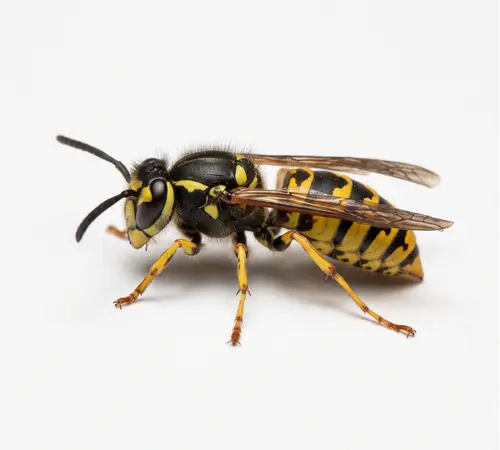
How Do You Know It Is a Wasp (Identification)
Colour
Yellow and black bands, brown or reddish-brown. Bald-faced hornets are black and white.
Size
About 10 to 25 mm.
Description
Smooth, slim body with a narrow waist and two pairs of wings. Wasps can sting more than once.
Where you'll find them
Eaves, soffits, trees, ground burrows, wall voids, sheds and decks.
Notes
Bees are rounder and fuzzier. Not sure what you have? Send us a photo.
Quick Links
Signs You Have a Wasp Problem
One wasp is usually just passing by. A steady stream of them is a nest. Look for:
- Wasps flying in and out of one spot, such as an eave, vent, wall gap or hole in the ground
- A grey or tan paper-like nest under eaves, in sheds, in trees or on deck rails
- Scratching or buzzing inside a wall
- Wasps indoors, especially near windows or light fixtures
- Wasps swarming garbage bins, pop cans or your barbecue
- Brown stains on walls or ceilings near a hidden nest
Where Do Wasps Live and Hide?
You only see the wasps leaving the nest. In wall voids and ground nests, most of the colony is out of sight.
Outside:
- Under eaves, soffits and deck rails
- In trees, shrubs and hedges
- In the ground, often in old gopher or mouse burrows
- In sheds, garages and playhouses
Inside:
- Wall voids and behind siding
- Attics and roof spaces
- Chimneys and vents
How Fast Does a Wasp Nest Grow?
A small nest in June can be a big problem by August. Early treatment is easier, safer and cheaper. A nest starts with one queen and grows all summer:
- Spring: The queen wakes up and starts a nest about the size of a golf ball.
- Early summer: The first workers hatch, take over the building and feed the young.
- Midsummer to late summer: The colony grows fast and can reach hundreds or even thousands of wasps.
- Fall: New queens leave to find shelter. The old colony dies off after hard frost.
Why Do I Have Wasps?
Wasps move in for shelter and food. Here’s what we see most often in Alberta homes:
- Gaps and holes in siding, soffits, vents and rooflines
- Sheltered spots like eaves, sheds, decks and garages
- Open garbage, pop cans and pet food that attract scavenging wasps in late summer
- Fallen fruit from apple and crabapple trees
- Old rodent burrows in lawns and garden beds
- Cold, short springs. Queens look for warm, protected spots, and south-facing walls and attic gaps are popular.
How Worried Should I Be About Wasps?
A single wasp is a nuisance. A nest is a real risk, because the colony defends it.
Health: Wasps can sting more than once. A sting is painful, and several at once are much worse. For anyone with a venom allergy, a sting can cause a severe reaction. Call 911 if someone has trouble breathing or swelling of the face or throat.
Property damage: Nests inside walls or attics can stain drywall and insulation, and wasps can chew their way into living space.
How fast it escalates: Nests keep growing until fall. The longer you wait, the riskier removal becomes. If the nest is near a door, play area or walkway, don’t wait.
How to Prevent Wasps
Here’s a checklist you can do yourself:
- Check eaves, sheds and decks every two weeks from May on
- Seal gaps in siding, soffits, vents and rooflines
- Keep garbage and recycling bins closed, and rinse pop cans
- Pick up fallen fruit
- Cover food and drinks when eating outside
- Fill unused gopher and mouse holes
- Repair torn window and door screens
Can You Get Rid of Wasps Yourself?
We don’t recommend it. A small, early paper wasp nest within easy reach is sometimes a DIY job. Most nests aren’t. You can’t see the whole nest, and wasps defend it hard. Blocking the entrance or knocking the nest down only makes them more aggressive.
Call a professional if:
- The nest is in the ground, a wall or the attic
- The nest is bigger than a golf ball or above ladder height
- Wasps are getting into your home
- Anyone in your home has a venom allergy
- You’ve tried DIY and the wasps are still there
How Much Does Wasp Control Cost?
Generally, our wasp control starts at $250. The price depends on the wasp species, the size and location of the nest (ground, wall or roof), how hard it is to reach and whether you need follow-up visits.
The quickest way to get a real number is a free quote. Get a Free Quote
Our Wasp Control Process
- Inspect and identify. We find every nest, identify the species, and check how the wasps are getting in.
- Treat the nest. We apply professional-grade products to the nest and its entrances, usually at dusk or early morning when wasps are calm.
- Remove and seal. We remove the nest where it’s safe to do so, then seal gaps so new queens can’t move in.
- Monitor and follow up. We check that activity has stopped and re-treat if needed.
- Report and guarantee. You’ll know what we found, what we did and what to do next. If wasps come back, we’ll return and re-treat at no extra cost.
Our Service Areas for Wasp Control
Wasps build nests under eaves, in sheds, and in trees, and they get aggressive when disturbed. Wherever you are, our local team can remove the nest and treat the area so they don’t rebuild.
Wasp Control in Edmonton
Wasps swarming around your Edmonton eaves, deck, or shed? Don’t disturb the nest. We’ll remove it and treat the area to keep them from returning.
Wasp Control in Calgary
A growing wasp nest near your Calgary patio, garage, or roofline is a sting risk. We’ll take it down safely and apply a residual treatment.
Wasp Control in Red Deer
Do wasps guard a nest on your Red Deer property? We’ll remove it quickly and treat the area so they’re less likely to return.
Related Pest Services
FAQs About Major Pest Control Services
Steady wasp traffic to one spot is the biggest clue. Look for a paper-like nest under eaves or in trees, wasps flying in and out of a hole in the ground or wall, or scratching inside a wall. If you see any of these, a nest is close by.
We don’t recommend it. Ground and wall nests can’t be fully seen, and wasps defend them hard. A bad attempt can mean dozens of stings in seconds. Only a small, early paper wasp nest within easy reach is a possible DIY, and only if no one in your home has a venom allergy.
The treated nest won’t be reused, but a new queen may pick the same spot next spring. That’s why we seal entry points and follow up. If wasps come back after our treatment, we return and re-treat at no extra cost.
Queens start nests in spring, colonies grow through summer, and numbers peak in August and September. Hard frost in fall kills the colony. The earlier we treat, the smaller the nest and the easier it is to remove.
Yes. After hard frosts, the colony dies, and only new mated queens survive in sheltered spots. Wasps don’t reuse old nests. Seal gaps in your home before spring so new queens can’t settle in.

Need To Talk To a Real Human?
Our Phone Numbers:
