


WHAT IS A Bed Bug? – An in-depth explanation
Bed bugs are insects in the genus Cimex. They are nocturnal blood feeders. Bed bug bites can cause health impairments, such as skin rashes, psychological stress, and may trigger allergic symptoms.
There are three vital facts to know when dealing with bed bugs. First, bed bugs are nocturnal and take blood meals while people sleep. During the day, bed bugs stay hidden. Second, any place can get bed bugs, from a humble bed and breakfast to the most posh hotels as well as every type of home.
Poor sanitation isn’t the cause of a bed bug infestation, although it can certainly worsen the problem. Lastly, bed bug infestations are notoriously difficult to eradicate. This is because every single bug and every single egg must be eliminated or else the infestation will simply start over.
How do we get Bed Bugs?
Bed bugs are a major problem everywhere in Canada. What is the reason for this? One of the biggest culprits is modern travel in general, especially air travel. Here is how bed bugs spread: someone visits a location with bed bugs. Then bed bugs hitchhike in or on their luggage. Then this individual boards an airplane, and their infested luggage is checked along with everyone else’s luggage.
All it takes is for a single pregnant bed bug to travel from the infected luggage and onto someone else’s luggage. Ta-da! Transmission has occurred. Next, the person stays at another hotel, and here bed bugs can crawl off the luggage, where they lay eggs and trigger another infestation. Another equally likely scenario is that bed bugs hitch a ride in the luggage and start an infestation at home.
Here is a breakdown of the common locations where bed bugs are hitchhiked:
- Hotels and motels: 68%
- Nursing homes: 59%
- Schools & daycare centers: 47%
- Office Buildings: 46%
- College dorms: 45%
- Hospitals: 36%
- Public transportation: 19%
Bed bugs are small, flat, wingless insects that are reddish-brown and about one-quarter inch long; a fully grown bed bug is about the size of an apple seed.
Bed bugs avoid traveling long distances to hide because they prefer to hide in places close to their feeding spots.
Bed bugs are mostly found in:
- Bedding
- Bed frames
- Box springs
- Mattresses
- Headboards
- Clothing
- Luggage
- Couches
- Furniture
- Objects near beds
What is a Bed Bug Bite?
When a bed bug feeds on its host, this feeding is called a “blood meal”. A typical blood meal takes 5 to 10 minutes to complete. Often, bed bugs will bite serially, resulting in a row of bites. Bites are most commonly inflicted on exposed skin, such as face, neck, arms, and hands. Bed bug bites are usually painless and often are noticed after the person wakes up or even a day or two later.
What Do Bed Bug Bites Look Like?
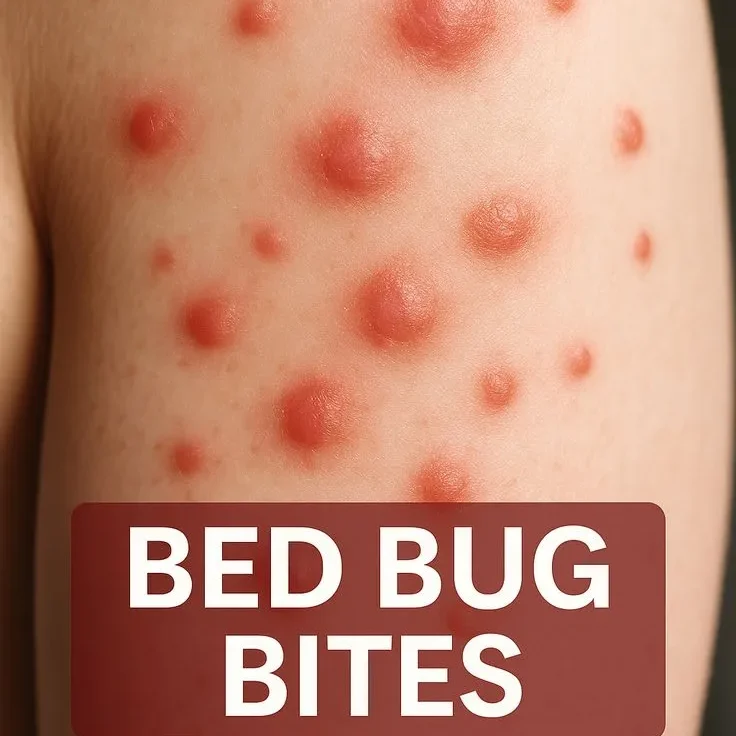
There are a variety of reactions to bed bug bites. While many people have no or limited symptoms, others may have more severe reactions. The typical bed bug bite is seen as a small, red, and swollen area on the skin. A common feature of bed bug bites is a central point or dot in the center of the bite. Bed bug bites are frequently intensely itchy, similar to hives. The reaction to a bed bug bite may sometimes be delayed for up to 10 days. This delay can contribute to confusion about where and when someone encountered the bed bugs initially.
How long does it take for bed bug bites to heal?
Bed bug bites will generally heal on their own eventually, but it may take 3 to 6 weeks. In the meantime, if the infestation continues, it’s likely new bites will accumulate before earlier ones heal. Infection of bed bug bites is possible, especially for people who scratch at the bites, which further damages and irritates the skin.
What are the health impacts of Bed Bug bites?
The connection between bed bugs, emotional trauma, and persistent mental health problems has been documented by multiple researchers. Side effects may linger in some cases, including symptoms such as extreme anxiety, insomnia and concentration problems. In more severe situations, behaviors such as obsessiveness and hyper-vigilance may resemble those of PTSD (post-traumatic stress disorder). Additional negative emotional and psychological effects that may result from bed bug attacks include nightmares, flashbacks, avoidance behaviors, and personal dysfunction.
Experts Can Help Get Rid Of Bed Bugs
Lastly, if you suspect a bed bug infestation, don’t delay in calling the experts at Major Pest Control. Their on-staff expert entomologists know exactly how to eliminate these pests without spreading the infestation. They have a number of techniques they use to get rid of bed bugs, guaranteed, including a highly effective heat treatment. Don’t live one more day with bugs – call today!

Written By Jun Bukht, ACE, CWCO
Jun Bukht is the founder and owner of Major Pest Control. He holds the Associate Certified Entomologist (ACE) designation and is a Certified Wildlife Control Operator (CWCO), reflecting his commitment to science-based, humane pest management practices. Jun is the author of “Major Pest Control: Stories From the Trenches – A Homeowner’s Guide to Pest Control”, a best-selling book on KDP. His work and insights have been featured in television, radio, print, and online media across Alberta, where he discusses pest control, wildlife issues, and integrated pest management.