

Bird Control Service
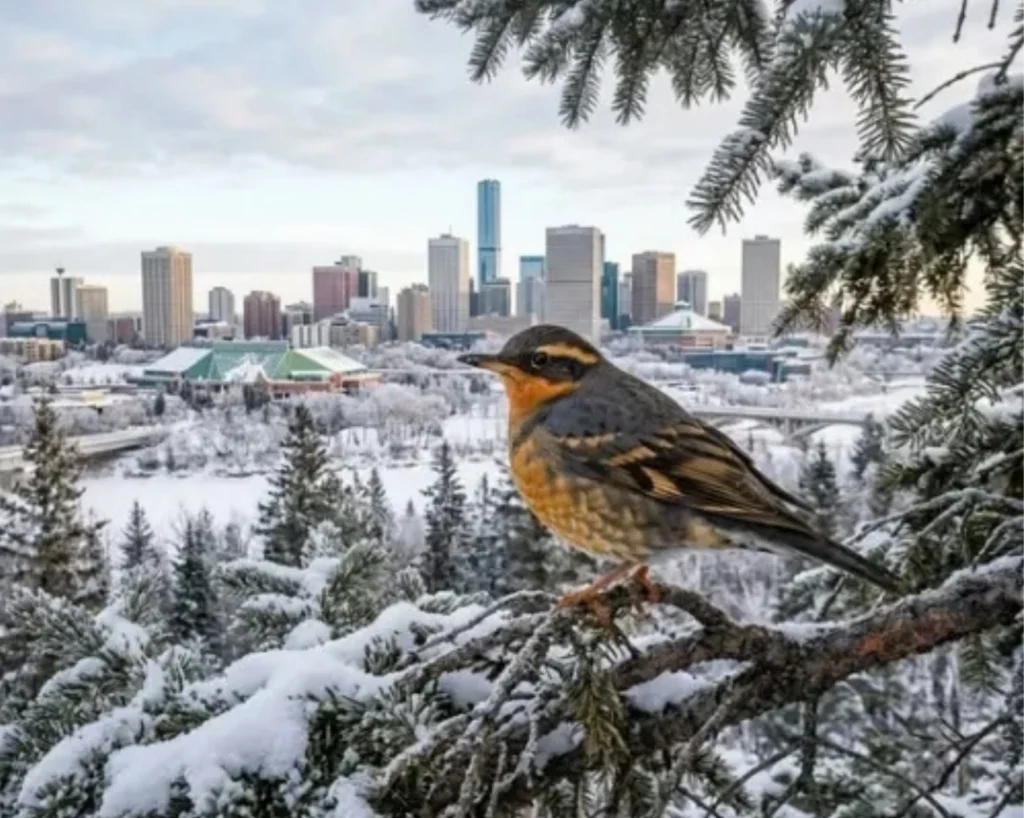
Bird Control Guaranteed!!
“You WILL Get The Best, Most Thorough, Professional Service You Have Ever Seen… We GUARANTEE It… Or It’s FREE!”
We Don't Just Relocate Birds. We Make Sure They Don't Come Back.
5 REASONS TO CHOOSE MAJOR PEST CONTROL
- We’re committed to CUSTOMER SATISFACTION, with over thousands of Google 5 Star ratings for pest control.
- We offer a complete 58 POINT Pest Control Survey & Analysis of your home or building.
- ASSOCIATE CERTIFIED ENTOMOLOGIST and a public health specialist on staff.
- A team of EXPERIENCED PEST TECHNICIANS to carry out all pest control services.
- Our GUARANTEE is UNMATCHED by any competitors! (If you’re not happy, you don’t pay!)
CALL BY 2 P.M. FOR SAME-DAY OR NEXT-DAY AVAILABILITY!
How Do You Know Which Bird You Have (Identification)
Colour
Pigeons are grey with a shiny neck. House sparrows are brown and grey. Starlings are black with a purple-green shine.
Size
From about 15 cm (sparrows) to 35 cm (pigeons).
Description
Pigeons are plump with short legs. Sparrows are small with stubby beaks. Starlings have short tails and pointed yellow beaks in spring.
Notes
Most wild birds are protected by law in Canada. Pigeons, house sparrows and starlings are the main exceptions. Not sure what you have? Send us a photo.
Quick Links
Signs You Have a Bird Problem
A few birds passing through is normal. Birds that keep coming back to the same spot are roosting or nesting. Look for:
- Droppings on ledges, signs, patios, vehicles, walkways or roofs.
- Twigs, grass or feathers poking out of vents, soffits or gutters.
- Birds going in and out of the same gap.
- Scratching, chirping or fluttering inside a wall, vent or roof space.
- Gutters or roof drains blocked by nesting material.
- Birds feeding on garbage, fries or patio food.
Where Do Birds Nest and Roost?
Birds look for ledges and gaps that offer shelter, a view, and protection from wind and predators. You’ll most often find them:
- On roof edges, ledges and rooftop equipment.
- On signs, light fixtures and window ledges.
- In gutters, soffits and fascia gaps.
- Under bridges, overhangs and loading dock canopies.
- Inside dryer, bathroom and stove vents.
- In attics and roof spaces.
- In warehouses, garages, barns and big-box stores.
- In parkades and on covered patios.
How Fast Does a Bird Problem Grow?
Birds keep coming back to a spot that works. A pair that moves in this spring can have a whole flock there by fall. Here’s how it usually goes:
- Early spring: Birds scout for nesting spots. Vents, soffits and ledges are popular.
- Spring to summer: Eggs hatch, and the young stay in the nest for several weeks. Parents defend the area.
- Summer: Young birds leave the nest, and some pairs raise more than one brood. Pigeons can nest almost year-round.
- Fall and winter: Birds roost in warm spots like heated buildings, vents and rooftops to get through the cold.
Why Do I Have Birds?
Birds move in for food, shelter and safe nesting spots. Here’s what we see most often in Alberta:
- Open garbage bins, dumpsters and food waste at restaurants, apartments and shopping centres.
- Spilled seed and overfilled bird feeders.
- People feeding pigeons in parks, on patios and in parking lots.
- Gaps and holes in soffits, vents, rooflines and building edges.
- Ledges, signs, and flat roofs create perfect perches and nesting spots.
- Cold winters. Heated buildings and warm vents attract birds looking for shelter.
How Worried Should I Be About Birds?
A few birds are a nuisance. A flock roosting on your building creates cleanup, safety, and health problems.
Health: Droppings and nesting material can carry bacteria and fungi that cause illness, especially when dried and disturbed. Birds can also carry mites that move indoors. Don’t sweep or power wash large piles of droppings without protection.
Property damage: Droppings are acidic and can damage paint, roofing, signs and vehicles. Nests clog gutters, roof drains and vents. A blocked dryer or exhaust vent can be a fire risk.
Safety: Droppings make walkways, stairs and loading docks slippery.
Business impact: For restaurants, patios and stores, birds mean dirty spaces, bad reviews and possible health inspection trouble.
How fast it escalates: Birds return to the same spot every year. The longer they stay, the bigger the mess and the harder they are to move.
How to Prevent Birds
Here’s a checklist you can do yourself:
- Cover vents and openings with screens or mesh.
- Seal gaps in soffits, fascia and rooflines.
- Keep garbage, dumpsters and recycling bins closed.
- Clean up spilled food, seed and patio crumbs right away.
- Don’t feed pigeons.
- Clean gutters and roof drains in spring and fall.
- Remove old nests only if you know the species isn’t protected.
- Check roofs, ledges and vents every few weeks from March on.
Can You Get Rid of Birds Yourself?
Some of it, yes. Closing garbage bins, cleaning up food and screening a small vent are all good DIY jobs. Relocating a flock or removing nests usually isn’t. Most wild birds, along with their nests and eggs, are protected by law in Canada. Scare tactics like fake owls and shiny tape usually work for only a few days.
Call a professional if:
- Birds are nesting inside a wall, attic or vent.
- The problem is on a high roof, ledge or sign.
- You have a pile of droppings or a strong smell.
- You’ve tried scare devices, and the birds are back.
- You manage a business, apartment building or warehouse.
How Much Does Bird Control Cost?
Generally, our bird control final price depends on the bird species, how many areas need protection, the building’s height and size, what proofing is needed, and whether cleanup or follow-up visits are required.
The fastest way to get a real number is to request a free quote. Get a Free Quote
Our Bird Control Process
- Inspect and identify. We find where birds are roosting and nesting, identify the species and check how they’re getting in.
- Relocate humanely. We relocate birds using humane methods. We follow Canadian wildlife rules and never disturb active nests of protected species.
- Exclude and proof. We install the right barrier for your building, such as netting, spikes, slope covers, vent screens or mesh, and seal gaps so birds can’t return.
- Clean up. When needed, we safely remove droppings and nesting material.
- Monitor and guarantee. We check that activity has stopped and re-treat if needed. If birds get back in through our work, we’ll return and fix it at no extra cost.
Related Pest Services
FAQs About Major Pest Control Services
Block what attracts them and what they land on. That means securing garbage, cleaning up food and installing the right barrier, such as netting, spikes or slope covers. Scare devices rarely last. We relocate the birds humanely, then proof the area so they can’t settle back in.
Most wild birds, and their nests and eggs, are protected under the federal Migratory Birds Convention Act, so you shouldn’t remove active nests. Pigeons, house sparrows and European starlings are common exceptions. If you’re not sure which species you have, ask us before touching a nest.
They can be. Dried droppings can carry bacteria and fungi that cause illness, especially when stirred up as dust. Don’t sweep or power wash large piles without protection. Wear gloves and a mask for small areas, and call us for large or hard-to-reach buildup.
Not if the area is properly proofed. Birds return to spots that offer food, shelter and safe perches. We remove what attracts them and install barriers where they use it. If birds get back in through our work, we’ll return at no extra cost.
Yes. We work with restaurants, patios, warehouses, apartment buildings, shopping centres, and flat roofs across Edmonton, Calgary, and Red Deer. Birds can damage your reputation and create safety and sanitation issues, so we tailor a plan to how your building is used.

Need To Talk To a Real Human?
Our Phone Numbers:
