House Sparrow Relocation Service

House Sparrow Relocation Service-Major Pest Control

House Sparrow Relocation Guaranteed!!

“You WILL Get The Best, Most Thorough, Professional Service You Have Ever Seen… We GUARANTEE It… Or It’s FREE!”

We Don't Just Move Sparrows Out. We Make Sure They Can't Move Back In.

5 REASONS TO CHOOSE MAJOR PEST CONTROL

CALL BY 2 P.M. FOR SAME-DAY OR NEXT-DAY AVAILABILITY!

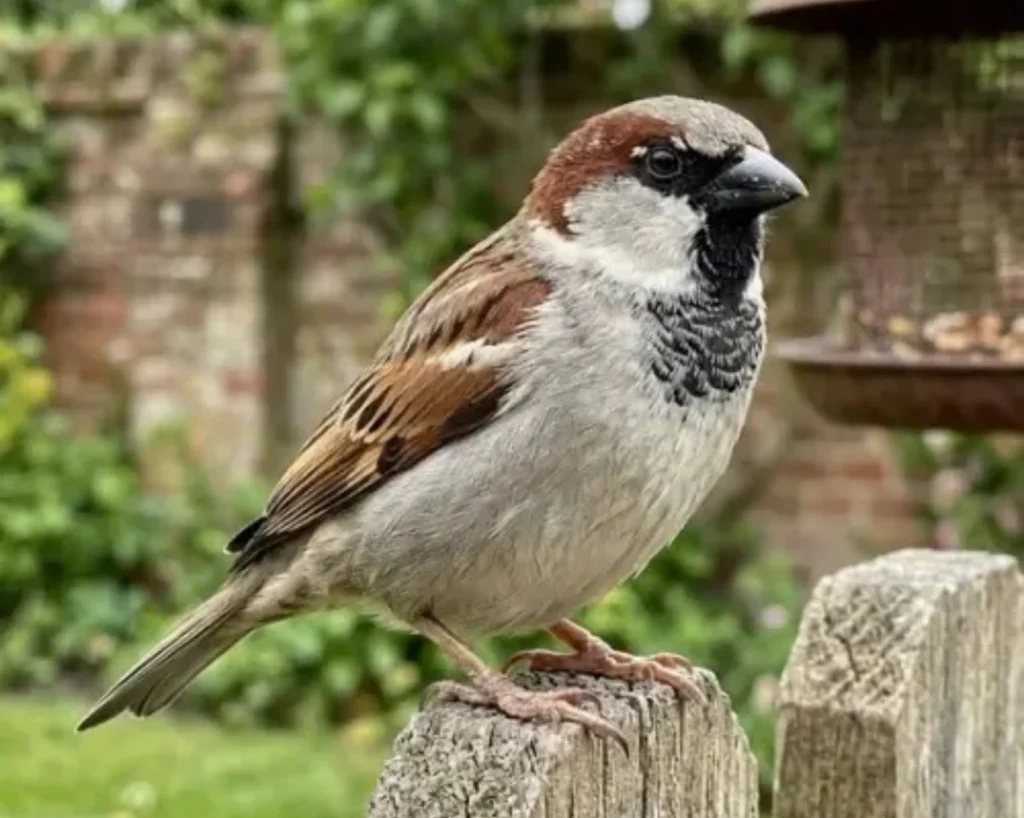
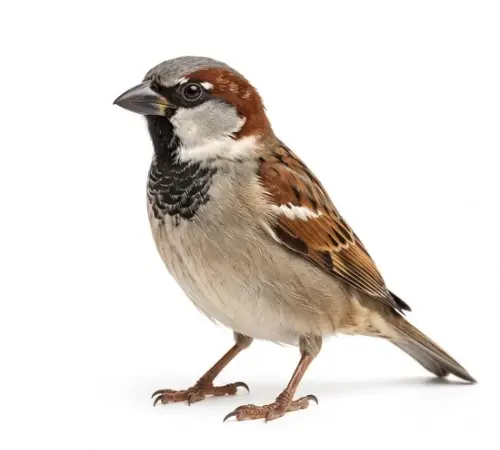
How Do You Know It Is a House Sparrow (Identification)

Colour

Males have a grey crown and a black bib. Females are plain brown and buff.

Size

About 14-16 cm long, roughly the size of your palm.

Description

Small, stocky and chirpy, with a thick, short beak. They live in noisy flocks around buildings.

Notes

Not sure it's a sparrow? Starlings, woodpeckers and native songbirds can look similar. Send us a photo.

House Sparrow Relocation Blog

Signs You Have a House Sparrow Problem

Sparrows are loud and messy, so you usually hear or see the signs before you ever see the nest:

  • Chirping or scratching from a soffit, vent, wall or attic.
  • Sparrows flying in and out of one spot, like a gap in the siding, a vent or a corner of the roofline.
  • Straw, grass, feathers and twigs sticking out of vents, gutters or soffits.
  • White droppings on your deck, front step, windows or siding.
  • A dryer that takes longer to dry clothes, or a bathroom fan that suddenly stops working well.
  • Sparrows chasing other birds out of your yard.
  • A bad smell near a vent or soffit, which can mean a dead bird or chick.

Where Do House Sparrows Nest?

House sparrows nest in tight, sheltered gaps on and around buildings. Here are the spots we get called about most in Edmonton:

  • Dryer vents
  • Bathroom and kitchen exhaust vents
  • Furnace exhaust and intake lines
  • In soffits and eaves. Wasps use the same gaps.
  • Roof peaks and gables
  • Attic vents and louvred windows
  • Gaps in stucco and siding
  • Gutters and downspouts
  • Roof corners and under shingles
  • Decks, garages, gazebos and sheds

How Fast Do House Sparrows Multiply?

Faster than most people expect. In Alberta, a pair can raise up to three broods between spring and late summer. That means one pair in April can turn into a full flock by August. Here’s how it works:

  1. Egg: The female lays about 3 to 6 eggs in a nest made of grass, straw and feathers.
  2. Chick: Eggs hatch in about two weeks. The chicks stay in the nest for around two more weeks while both parents feed them.
  3. Fledgling: Young birds leave the nest, and the pair often starts a second or third brood in the same spot.
  4. Adult: Young sparrows can breed the following year. They also return to the same nest site year after year.

Why Do I Have House Sparrows?

House sparrows live where people live. They move in when your home gives them shelter and an easy meal. We see these causes most often in Alberta homes:

  • Gaps and holes in soffits, siding, stucco, roof corners and rooflines.
  • Missing or broken vent covers, especially dryer, bathroom and attic vents.
  • Damaged soffits after a windstorm.
  • Bird feeders, spilled seed, and open garbage provide a steady food supply.
  • Last year’s nest. Sparrows return to the same spot, so leaving a nest unremoved is an invitation.
  • Sheltered spots like decks, gazebos, garages and sheds.

How Worried Should I Be About House Sparrows?

One sparrow in the yard is no problem. A nest in your vent or attic is a problem.

Health: Droppings and nesting material can carry bacteria and fungi, and nests can bring in bird mites. Bird mites can bite like fleas. Don’t sweep or vacuum dried droppings without a mask.

Property damage: Nests can block dryer and exhaust vents. Blocked dryer vents are a fire risk. Sparrows can also widen gaps in siding and soffits, and droppings can stain and wear down siding, decks and paint.

How fast it escalates: Quickly. Nesting season runs from spring to late summer, and sparrows come back to the same spot every year. Fixing it properly once saves you from doing it again next spring.

How to Prevent House Sparrows

These steps help keep them away, but they won’t remove an existing nest.

  • Cover vents with proper screens or guards.
  • Seal gaps in soffits, siding, stucco and roof corners.
  • Repair damaged soffits and missing vent flaps right away.
  • Remove old nests after the birds leave.
  • Skip feeders that spill seed, or clean up spilled seed daily.
  • Keep garbage and pet food covered.
  • Check vents, eaves and gables every couple of weeks from March on.

Can You Get Rid of House Sparrows Yourself?

For a loose nest within easy reach, sometimes. For most homes, no.

Most sparrow nests are in vents, soffits and roof peaks that are high up and hard to reach. Pulling out a nest without sealing the entry point just invites them to rebuild. You also can’t tell by looking whether you’re dealing with a house sparrow or a native bird that needs a different approach.

Call a professional if:

  • The nest is in a vent, soffit, attic or roof peak.
  • The spot is above ladder height.
  • There are chicks in the nest.
  • They keep coming back after you remove the nest.
  • You aren’t sure what kind of bird it is.
  • Your dryer or exhaust fan isn’t working properly.

Our House Sparrow Relocation Process

  1. Inspect and identify. We confirm it’s a house sparrow, find every nest and entry point, and check vents, soffits, gables and the roofline.
  2. Humane removal and relocation. We humanely remove the birds and nests and relocate them where appropriate, using methods that fit the situation.
  3. Seal and protect. We seal gaps and fit guards or screens over vents so they can’t get back in.
  4. Monitor and follow up. We check that the activity has stopped and return if it hasn’t.
  5. Report and guarantee. You’ll know what we found, what we did, and what to do next, and our guarantee backs the work.

How Much Does House Sparrow Relocation Cost?

Your final price depends on how many nests there are, where they are (vent, soffit, attic, or roof peak), how high and hard the spot is to reach, and how much sealing and guarding the job needs.

We also remove house sparrows in Sherwood Park, St. Albert, Stony Plain, Beaumont, and surrounding areas.

The fastest way to get an accurate price is to request a free quote. If you can, send us a photo of the spot.

Get a Free Quote

Our Service Areas for Sparrow Relocation

Sparrows nest in vents, soffits, and rooflines, and the mess and noise add up fast. Wherever you are, our local team can relocate them humanely and seal the entry points.

Sparrow Relocation in Edmonton

Sparrows stuffing straw into your Edmonton vents, eaves, or soffits? We’ll humanely relocate the nest and birds, then seal the gaps so they can’t move back in.

Sparrow Relocation in Calgary

Noisy sparrows and droppings around your Calgary roofline, patio, or garage are a sign they’ve settled in. We’ll clear the nest, relocate the birds, and close off their access.

Sparrow Relocation in Red Deer

Sparrows nesting in your Red Deer property’s vents or rafters? We’ll relocate them humanely and proof the entry points to keep them from returning.
FAQs About Major Pest Control Services

How do I get rid of house sparrows?

Remove the nest, and then seal the gap or cover the vent so they can’t rebuild. Removing the birds alone doesn’t work, because new ones move into the same spot. If the nest is in a vent, soffit or attic, call a professional.

Is it illegal to remove house sparrow nests in Alberta?

House sparrows aren’t native to Canada, so they aren’t protected the way native songbirds are. But many native birds look similar, and their nests are protected. Identify the bird first, and call us if you’re unsure.

How do I stop sparrows from nesting in my dryer vent?

Fit a proper vent guard or screen that lets air out but keeps birds from getting in. Clean out the old nest first, since leftover material blocks airflow and is a fire risk. Check the guard each spring.

Are sparrow droppings dangerous?

They can be. Droppings and old nests can carry bacteria and fungi, and nests can bring in bird mites. Wear a mask and gloves when you clean them up, and don’t sweep dry droppings dry. A pest control professional can handle it safely.

When do house sparrows nest in Alberta?

They start in early spring, usually March or April, and keep nesting until late summer. Most of our calls come in June and July. The best time to seal gaps is in fall or winter, before they start.

House Sparrow Control - Major Pest Control
Major Pest Control Logo

Need To Talk To a Real Human?

Our Phone Numbers:

Major Pest Control Small Logo
Tap To Call
Scroll to Top
FREE QUOTE !