

Hornet Removal Service

Hornet Removal Guaranteed!!
“You WILL Get The Best, Most Thorough, Professional Service You Have Ever Seen… We GUARANTEE It… Or It’s FREE!”
Hornet Nest on Your Property? Don't Spray It. We'll Remove It Safely.
5 REASONS TO CHOOSE MAJOR PEST CONTROL
- We’re committed to CUSTOMER SATISFACTION, with over thousands of Google 5 Star ratings for pest control.
- We offer a complete 58 POINT Pest Control Survey & Analysis of your home or building.
- ASSOCIATE CERTIFIED ENTOMOLOGIST and a public health specialist on staff.
- A team of EXPERIENCED PEST TECHNICIANS to carry out all pest control services.
- Our GUARANTEE is UNMATCHED by any competitors! (If you’re not happy, you don’t pay!)
CALL BY 2 P.M. FOR SAME-DAY OR NEXT-DAY AVAILABILITY!
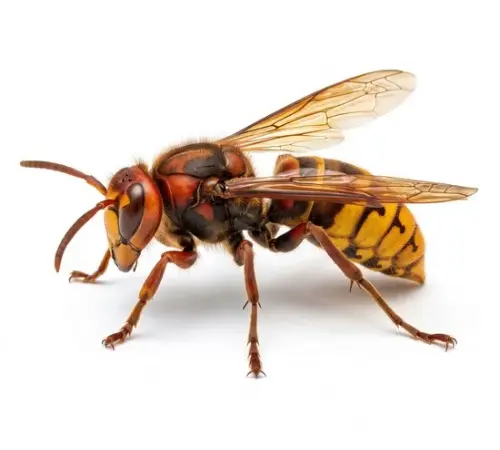
How Do You Know It Is a Hornet (Identification)
Colour
Black with white or ivory markings.
Size
About 15 to 20 mm long.
Description
Thick, stocky body with a white face and white markings at the tail end.
Notes
Often mistaken for wasps and yellowjackets. Hornets build large grey, papery nests above ground.
Quick Links
Signs You Have a Hornet Problem
A hornet nest can go from small to huge in a few weeks, so the sooner you spot it, the better. Look for:
- A grey, papery nest the size of a softball, football or bigger, hanging in a tree, under an eave or in a shed.
- Hornets flying in and out of the same spot, such as a small hole, gap or corner.
- More and more hornets around one tree, shrub, deck or door.
- Buzzing or scratching inside a wall, soffit or ceiling.
- Hornets, or dead and dying ones, inside the house, especially near windows, light fixtures or a furnace room.
- Stings or aggressive hornets when you walk near a particular spot.
- A nest that’s noticeably bigger than it was a few weeks ago.
Where Do Hornets Live and Hide?
Hornets build in sheltered spots that give them cover and quiet.
- Trees, shrubs and hedges, including aspens and fruit trees.
- Under eaves, soffits and roof overhangs.
- Inside walls, behind siding and stucco, and in stone walls.
- Sheds, garages and playhouses.
- Under decks, porches, balconies and front steps.
- Playground sets, swings and the covers or surrounds of hot tubs.
- Attics and rafters.
- Holes in the ground near steps and foundations (these are often yellowjackets).
How Fast Do Hornets Multiply?
Faster than most people expect. A nest the size of a golf ball in June can be the size of a basketball by August. Here’s the yearly cycle:
- Spring: A single queen wakes up and builds a small nest.
- Early summer: The first workers hatch and take over building. The nest starts to grow.
- Late summer: The colony peaks at hundreds of hornets and is at its most defensive.
- Fall: New queens leave to find a place to spend the winter. The rest of the colony dies off, and they abandon the nest.
That’s why most of our hornet calls come in July and August.
Why Do I Have Hornets?
Hornets come for shelter and food. Here’s what we see most often in Alberta yards:
- Quiet, sheltered spots. A queen picks a protected place such as a tree, eave, shed or under a deck.
- Open or damaged siding, soffits and trim that let them build inside walls
- Food. Hornets hunt other insects and are also drawn to garbage, compost, pop cans, fallen fruit and pet food.
- Trees and shrubs close to the house
- Sheds and garages that are left open or rarely used
- Last year’s neighbours. If there was a nest next door, new queens often build nearby.
How Worried Should I Be About Hornets?
Be careful, especially in late summer.
Health: Hornets can sting more than once, and they defend their nest hard, even against the vibration of a lawn mower. Stings are painful, and for people with allergies they can be serious. If someone has trouble breathing or swelling of the face or throat, call 911.
Property damage: Hornets don’t damage a building like some pests, but a nest in a wall or soffit can let them into your home. Nests near doors, decks or play areas make them hard to avoid.
How fast it escalates: Quickly. A nest keeps growing until fall, and so does the number of hornets guarding it.
How to Prevent Hornets
Here’s a checklist you can do yourself:
- Walk your property in May and June and look for small new nests in sheds, eaves, trees and under decks.
- Seal gaps in siding, soffits, vents and window frames.
- Keep garbage and compost bins tightly closed.
- Don’t leave pop cans, juice and food outside.
- Pick up fallen fruit and cover pet food.
- Keep shed and garage doors closed, and repair torn screens.
- Trim branches and hedges that touch the house.
- Check swings, playground sets, toys and hot tub covers before using them.
- Look for holes in the ground near steps and foundations.
Can You Get Rid of Hornets Yourself?
We don’t recommend it. Hornets defend their nest aggressively, and a single sting can be serious for someone with an allergy. Store-bought sprays often kill only the hornets they hit. Spraying the entry hole can also push the colony deeper into a wall and into your home.
Never plug the entry hole. Hornets can chew through drywall and find a way inside.
An old, empty nest is different. After the first hard frost, the colony has died off, and you can safely remove the nest.
Call a professional if:
- The nest is bigger than a golf ball.
- It’s in a wall, soffit, attic, shed or the ground.
- It’s high up, and you’d need a ladder.
- It’s near a door, deck, play area or walkway.
- Anyone in the home has a sting allergy.
- Hornets are getting inside.
- You’ve already sprayed, and they’re still active.
- You’re not sure if it’s hornets, wasps or yellowjackets.
How Much Does Hornet Removal Cost?
Generally, our hornet removal starts at $250. The price depends on where the nest is, how high up it is, how big it is, whether it’s in a tree, a wall or the ground, and how many nests there are.
The quickest way to get a real number is a free quote. Get a Free Quote
Our Hornet Removal Process
- Inspect and identify. We find the nest and confirm whether it’s hornets, wasps or yellowjackets. Each one needs a different approach.
- Plan. We choose the safest approach based on the nest’s size and location, and how close it is to people and pets.
- Treat and remove. Our technicians wear protective gear and use professional-grade products to treat nests in walls, soffits, and the ground. We remove it where we can.
- Seal and prevent. We point out the gaps and sheltered spots that drew them in, and what to fix.
- Follow up. We check back if needed to make sure there’s no new activity.
- Report and guarantee. You’ll know what we found, what we did and what to do next. If hornets return, we’ll come back at no extra cost.
Our Service Areas for Hornet Removal
Hornets build large, aggressive nests that can turn a backyard into a danger zone. Wherever you are, our local team can safely remove the nest.
Hornet Removal in Edmonton
Spotted a football-sized paper nest hanging from your eaves, tree, or shed in Edmonton? Don’t poke it. We’ll remove the nest and treat the area so hornets don’t rebuild.
Hornet Removal in Calgary
Hornets circling your Calgary deck, fence, or roofline are a sign a nest is nearby. We’ll find it, take it down safely, and leave your yard sting-free.
Hornet Removal in Red Deer
Angry hornets guarding a nest on your Red Deer property? Leave the risky part to us. We’ll remove the nest quickly and treat the spot to prevent a return.
Related Pest Services
FAQs About Major Pest Control Services
Bald-faced hornets are larger and mostly black with a white face. They build big, grey, papery nests that hang in trees, eaves or sheds. Yellowjackets and paper wasps are smaller and yellow and black. Nests under steps or in the ground are usually yellowjackets. Send us a photo, and we’ll identify it.
Don’t spray or knock down a nest yourself. Hornets defend their nest hard, and spraying the entry can push them into your walls and home. Keep people and pets away and call a professional, especially if the nest is high, in a wall or the ground, or near a door or play area.
Hornet nest removal at Major Pest Control starts at $250. The price depends on where the nest is, how high up it is, how big it is and whether it’s in a tree, wall or the ground. Get a free quote for an exact number.
Hornets can sting more than once and aggressively defend their nest, even against the vibration of a lawn mower. Stings are painful, and for people with allergies they can be serious. Call a doctor if you have trouble breathing or swelling of the face or throat. Keep kids and pets away from the nest.
No. A colony dies off in fall, and only the new queens survive the winter. They start a new nest in spring, sometimes in the same area. Old, empty nests are safe to remove after the first hard frost. Checking sheds, eaves and gaps each spring helps keep new ones out.


Need To Talk To a Real Human?
Our Phone Numbers:
